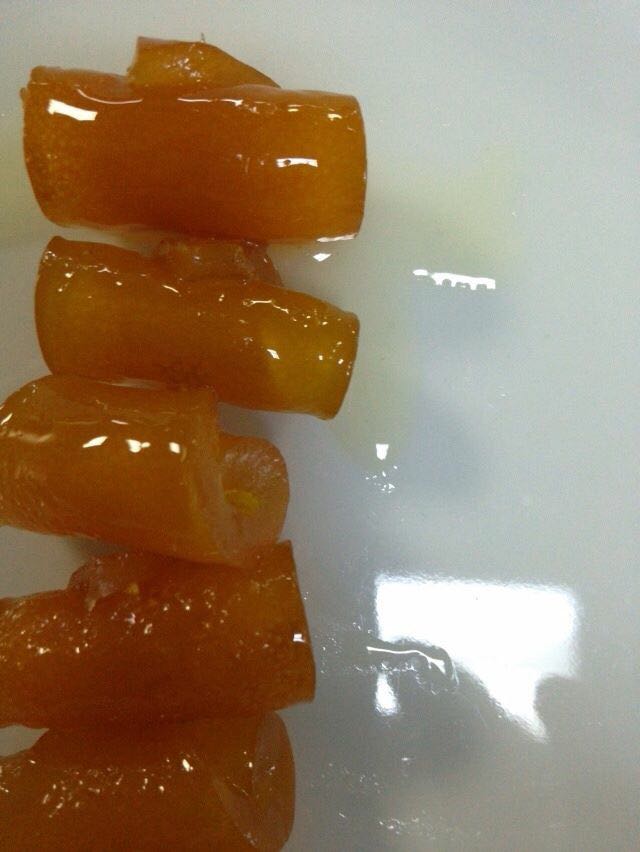
Mardin’de sonbahar kendini iyiden iyiye hissettirmeye başladı. Havalar serinledi. İlk yağmur da tam zamanında geldi. Üzümler toplanıp, elde edilen şıradan; cevizli sucuk, pestil ve pekmez yapıldı. Ovada toprak sürüldü, buğday ekildi!
Şimdi sıra nara geldi...
Bahçelerde dalları ağırlıktan yere uzanmış, nar ağaçlarındaki narlar, kıpkırmızı ve çok iştah açıcı duruyor. Narları böyle görünce babamın söyledikleri aklıma geliyor. Sonbaharda nar ve ayva bol olursa kışlar zor olur derdi. Benden söylemesi, ayvayı henüz bilmiyorum ama, bu yıl nar bir hayli fazla Mardin’de.
Zor bir kış bizi bekleniyor anlaşılan.
---
En önemli geçim kaynağı tarım olan Anadolu insanı, Anadolu’da üretilen her ürünün, tüketilenden fazlasını, daha uzun muhafaza edebilmek için belli işlemelerden geçirerek, uzun süre dayanabilen yeni ürünler üretmişlerdir tarih boyu. Anadolu’da yaygın olan kiler kültürü, bu ürünlerin üretilmesi ile de önem kazanmıştır. Bugün sizlere anlatacağım, nar suyunun uzun süre kaynatılarak, içerisindeki şekerin karamelize olmasını sağlayıp, suyunun uçurulması gibi yapımı emek ve zahmet isteyen, salatalarımızda ve yemeklerimizde lezzet katıcı olarak kullanılan nar ekşisinin kiler kültüründe hazırlanan yiyeceklerin arasında önemli bir yeri vardır.


Narı anlatmakla başlayalım. Son yıllarda Avrupa mutfaklarında da aranılan bir meyve olan narın faydaları saymakla bitmez. C vitamini ve antioksidan deposu olan nar, sofralarımızın yanı sıra ilaç sanayinde, boya, hayvan yemi, sirke ve benzeri ürünler olarak da değerlendirilmektedir. Nar’ın ilk olarak İran’da yetiştirildiği ve dünyaya yayıldığı söylenmektedir. Ülkemizde Türkiye’nin her yerinde özellikle Doğu‘da, Ege ve Akdeniz bölgesinde daha fazla yetiştirilen narın bir çok çeşidi vardır. Mardin ve çevresinde kulağınıza son yıllarda çokça çalındığını düşündüğüm Hicaz Narı, Zivzik Narı gibi türleri yetiştirilmektedir. Küçük çekirdekli, ince kabuklu, kıpkırmızı narlarımız, toprak, sulama ve güneşlenme şartlarından dolayı küçük boyda, sulu ve aromatik oluyorlar.


Çok erken başladığımız nar toplama işi, aslında işin en keyifli ve kolay kısmı! Narlar o kadar güzeller ki, hele de dalında çatlamış olanları gördükçe dalından koparıp, toplama işini bırakıp yemeğe başlıyorsunuz. Biz bütün gün nar topladık ve topladığımız kadarını da yedik sanırım.
Gelelim nar ekşisi yapımına. Nar ekşisi yapmak için narınızın tatlı veya ekşi olması fark etmez. Biz burada, her iki nardan da kullanıyoruz. Bahçelerden toplanan narlar, bir bıçakla ortadan ikiye ayrılıyor ve leğenlerin içerisinde biriktiriliyor.
Bu leğenlerin içinde tokmak veya kaşık yardımıyla dövülüyor, taneleri kabuğundan ayrılıyor.
Nar taneleri ise bir şeker çuvalının içerisine, bu şeker çuvalı da sert ve yüksek bir yere konuluyor. Çuvaldaki nar taneleri, temiz bir lastik çizme ile tepelenerek suyu çıkartılıyor. Çoğu kişi bütün bu prosedürü gördükten sonra, bu işlemin robot veya portakal sıkma makinesinde daha kolay yapılabileceğini düşünebilir. Ancak hatırlatmalıyım ki, nar tanelerini sıkarken, öncelikle tanelerin içindeki çekirdeklerinin çok fazla zarar görmemesi (bu işlem nar suyunu bulanıklaştırır) ve metalin narın tadını bozmaması için, makine kullanmıyoruz. Portakal sıkma makinesine gelirsek; bildiğiniz gibi, narın kabuğu ve tanelerini birbirinden ayıran, içindeki perdelerin ağzı kamaştıran kekremsi bir tadı vardır. Eğer narın bu kısmı, nar taneleri ile birlikte sıkılırsa nar suyunun tadını bozacaktır. Dolayısıyla istediğimiz lezzette nar ekşisini elde etmemiz bu sebepten mümkün olmayacaktır.

Narların suyu sıkılırken dikkat edilmesi gereken en önemli husus ise, nar suyuna su değdirilmemesidir çünkü bir damla su bile nar ekşimizin tadını bozmaya yeter. Narın suyunu çıkardıktan sonra elde edilen nar suyu da ince bir süzgeçten geçirilerek süzülür. Bunun sebebini sorarsanız; nar ekşimizin berrak ve lezzetli olması için diyebilirim, çünkü süzülmezse içinde kalan tortu, kaynadıkça nar suyuna acı bir tat bırakabilir.
Son olarak, süzülen nar suyu, bakır kazana alınır ve odun ateşinde kaynamaya bırakılır. Kaynama işlemi çok uzun süreceğinden, kaynatma kazanı mutlaka bakır ve kalın, yani ateşe dayanıklı olmalıdır. Kaynatma işlemi yaklaşık, 8-10 saat kadar sürmektedir.
Burada önemli olan, kaynarken dibinin tutmamasını sağlamak, bunun için sürekli karıştırmayı ihmal etmemek gerekir. Nar suyu kaynadıkça içindeki su uçacak ve kazana bıraktığımız miktarın yarısına inecektir.
Koyulaşıncaya kadar kaynatılan nar suyu, soğuduktan sonra cam şişelere konulduktan ve bir kaç gün kıvam alması için dinlendirildikten sonra hazır hale gelmektedir. İnanmayacaksınız ama 10 KG nardan, 1 LT nar ekşisi elde edilmektedir. Kolay kolay anlattığıma da pek bakmayın, daha önce de söylediğim gibi, oldukça zahmetli, emek ve zaman gerektiren iştir, nar ekşisinin yapımı.
---
Kıvamına gelirsek; nar ekşisi kıvamı hiçbir zaman ağda kıvamında olmaz!
Nar ekşisi diye satılan ve ağda kıvamında olan ürünler, glikoz ilavesi ile kıvamı koyulaştırılarak hazırlanmış nar ekşisi şurubudur. İyi bir nar ekşisi, koyu Türk kahvesi kıvamındadır. Akışkandır, ancak döküldüğü yerde iz bırakır.
---
Gelelim işin en önemli kısmına ki hepimizin nar yedikten sonra ağzımızda çevirdiğimiz nar çekirdekleri yok mu? Bana göre narın en kıymetli yeri. Nar gerçektende bereket kelimesi İle eşleştirildiği gibi kabuğundan
çekirdeğine fayda sağlayan muhteşem bir meyve olarak, bu yakıştırmanın hakkını
sonuna kadar veriyor. Benim en önem verdiğim doğrusu nar ekşisi yaparken bile
narın bir şey olmasın diye üzerinde en çok titizlendiğim kısmı çekirdekleridir.
Neden mi? Anlattıklarımı okuduktan sonra sizde bana hak vereceksiniz. Nar
çekirdeği antioksidan özelliği sayesinde vücudu kanser gibi birçok hastalığa
karşı koruyor ve içindeki yararlı maddeler sayesinde antiviral özellik
gösteriyor, diğer bir deyişle vücudu virüslerden koruyor, virüslerin neden
olduğu uçuk, grip gibi birçok hastalığın oluşumunu engelliyor. Antioksidan
etkisi sadece ciddi hastalıklar konusunda değil, tepeden tırnağa vücudumuzun
her yerinde kendini gösteriyor. Hasar gören hücrelerin onarılmasında ve
yenilenmesinde yardımcı oluyor ve özellikle cilt üzerinde yaşlanma karşıtı bir
etki yaratıyor. Tansiyon, kolesterol ve insülin direncini dengelemek için
sürekli tüketilmesinde fayda olduğunu söylemek gerekiyor. Soğuk kış günlerinde
özellikle gribal enfeksiyonların fazlalaştığı bu günlerde nar çekirdeklerini
sofranızdan eksik etmemenizi tavsiye ediyorum. Pahalı vitaminlerden ziyade
böyle elinizin altındaki basit çözümleri ben daha doğal ve faydalı buluyorum.
Özellikle çocuklara hazırladığım meyveli yoğurtların içerisine nar çekirdeğini
toz hale getirdikten sonra karıştırarak yediriyorum. Sizde evinizde suyunu
sıktığınız narın çekirdeklerini kurutulduktan sonra, baharat öğütücüleriyle
incecik çekerek elde ettiğimiz toz halindeki nar çekirdeklerini her gün 1-2 çay
kaşığı kadar içeceklerinize, yoğurdunuza, hatta yemeklerinize katarak afiyetle
yiyin, faydasını göreceksiniz. Bunun yanısıra çekirdeklerinden fayda
görebilmemiz için yediğiniz narın çekirdeklerini mutlaka iyi çiğnemenizi tavsiye ederim.

Bu nar kabuklarını da kullanıyoruz üstelik. Nasıl mı? Biz nar kabuklarını kurutuyoruz, kışın ayva ve tarçınla kaynatıp çayını hazırlıyoruz. Grip ve öksürük için harika bir ilaç olduğunu söyleyebilirim. Kışlık ayırdığımız kabukların fazlasını da köylülere veriyoruz. (Özellikle kaynatılarak elde edilen boya, keçelerin, halı ipliklerinin renklendirilmesi için kullanılıyor)
Kısacası, meyvesini, suyunu, kabuğunu, çekirdeğini ayrı ayrı değerlendirdiğimiz nar için, neden bereket sembolü dendiğini, daha iyi anladığınızı düşünüyorum...
SYMBOL OF ABUNDANCE: POMEGRANATE
The fall started to make itself apparent in Mardin thoroughly. The weather is getting cold. The first rain is just in time. The grapes were picked and walnut churchkhlea, fruit leather and molasses have been prepared by its fermented juice (Şıra). The soil has been ploughed over the plains, the wheat has been planted! Now, it’s time for the pomegranate. The pomegranates on the trees, whose benches touch down the ground from their weight, look red as a ruby and appetizing. Seeing the pomegranates like this, brings these word from my father to my mind: “If the fall is abound with pomegranates and quinces, then the winter strikes hard.” Mark my words, I don’t know about the quince yet but this year there’s plenty of pomegranates here in Mardin. It seems that a tough winter is waiting at the door.
Throughout history the people of Anatolia, whose most significant source of income is farming, have always produced new products from each of the oversupply of products that are being produced in Anatolia, making them undergo specific procedures to make them long lasting. The pantry culture that is widespread in Anatolia has gained even more significance with the production of these products. The pomegranate syrup, which I’m going to tell you about today; that is prepared by boiling the pomegranate juice for a long time to caramelize the sugar in it and to extract the water from it - a procedure that is exacting and onerous - used as flavoring in our salads and meals, plays an important role amongst the food that is prepared in the pantry culture.
Let’s start by telling you about the pomegranate. There are countless benefits of the pomegranate, a sought out fruit in European cuisine as well in recent years. It is a source of Vitamin C and antioxidants; it is being used in pharmaceutical industry, utilized as paint, animal feed, vinegar and such apart from its role on our tables. It’s being said that the pomegranate originated from Iran first and then has spread worldwide. There are various types of pomegranate in every region of our country, especially on the East, Aegean and Mediterranean region of Turkey. In Mardin and in its vicinity, pomegranate types that I think you have started to hear about a lot for the past few years, such as Hedjaz or Zivzik are being grown. Because of soil, watering and sun conditions; our little seeded, thin peeled, scarlet pomegranates are in small sizes, juicy and aromatic.
The picking of the pomegranates which we start very early, actually is the most enjoyable and simple part of the job! The pomegranates are so beautiful, especially the ones who are so grown that the seeds come out from the cracked open peel, you forget about the picking job and start eating them. We have picked up pomegranates all day and I guess we have eaten as much as we have picked them up.
Let’s get down to making of the pomegranate syrup. In order to make the pomegranate syrup, it doesn’t matter whether your pomegranates taste sour or sweet. Here, we use them both. The pomegranates which are picked up from the gardens are divided into two with a knife and are being collected in basins. Then these are beaten up with the help of a mallet or a spoon, separating the seeds from the peel. The pomegranate seeds are put in sugar sag and this sag is placed somewhere high. The pomegranates seeds inside the sag are trampled on with a clean pair of rubber boots and their juice get extracted. Most of the people, after seeing this procedure, might think that it would be an easier job if this was done by a food processor or a citrus juicer. However, let me remind you of the fact that we don’t use any kind of machine so that the white seeds inside the pomegranate arils wouldn’t be severely damaged (since this procedure would rile the juice) and for the metal not to spoil the taste of the pomegranate. As for the citrus juicer; as you know, there’s a white peel inside the peel of the pomegranate that separates the pomegranate seeds from the outer peel and this white peel has a somewhat astringent taste. If this part of the pomegranate gets squeezed along with the pomegranate seeds, the taste of the pomegranate juice would be spoiled. Thereby, it wouldn’t be possible for us to obtain the pomegranate syrup with the taste that we desire.
The most important thing to keep an eye on while extracting the juice of the pomegranates is not to let the juice become in contact with water; because even a drop of water is enough to spoil the juice. The pomegranate juice that is obtained by squeezing the fruit is then filtered via a thin colander. If you ask why, I would tell you that this is because we would like our pomegranate syrup to be clear and tasty; otherwise, the residue that is remained inside would give the pomegranate juice a bitter taste as it gets boiled.
Finally, the filtered pomegranate juice is poured in the copper cauldron and it is left to boil under wood fire. Since the boiling will take a very long time, the boiling cauldron must absolutely be made from copper and it should be thick and therefore resistant to heat. The boiling procedure takes approximately 8-10 hours. It is important to avoid the juice from sticking to the bottom of the cauldron and burn; for this, mixing it constantly is a must. As the pomegranate juice boils, the water inside it is going to evaporate and the amount in the cauldron will be halved. The pomegranate juice is boiled until it gets thick, put in glass bottles after it is cooled down and is let to rest for a couple of days for it to find its texture, then the syrup will be ready for use. Believe it or not but one obtains 1 liter of pomegranate syrup from 10 Kg of pomegranates.
Don’t get the wrong idea about the difficulty of making this, looking at the way I describe all of this in a very simple manner. As I have mentioned before, the preparation of the pomegranate syrup is an exacting and onerous procedure that requires a lot of time and effort.
As for the texture, the pomegranate syrup does not have a wax texture at all! The products, which are being sold under the name of pomegranate syrup and which has a wax texture, are products that have been thickened by glucose addition. A good pomegranate syrup should have a thick Turkish coffee texture. It is fluid, yet it leaves a mark behind when poured down.
Let’s get down to the most important part; you know the hard seeds that we all continue to chew after we have eaten a pomegranate. For me, it is the most precious part of the fruit. This seed protects the body from a bunch of diseases such as cancer, thanks to its antioxidant characteristics. It has an antiviral property, meaning it protects the body from the viruses; its useful content prevents many diseases caused by viruses such as herpes or the flu. The antioxidant effect can be seen not only in serious diseases but also presents itself throughout our body from head to toe. It helps in recovering and renewing of the damaged cells and it especially creates an anti-aging effect on the skin. We should point out the fact that, it should be consumed often in order to balance blood pressure, cholesterol and insulin resistance. You can grind those white pomegranate seeds after they are dried and you can use them in a powder form and pour 1-2 tea spoons of this powder in your drinks, on yoghurt or even in your meals and help yourselves, you will see the benefits of it.
We make use of these white pomegranate seeds as well as its peels. How? We dry the hard peels of the pomegranate and during winter we prepare a tea by brewing them with quince and cinnamon. I can say that it is a fantastic remedy for the flue and coughing. We give the excess hard peels to the villagers. (The paint that is obtained by boiling these peels is being used in coloring the felt and carpet yarn)
To conclude, I think that now you see why the pomegranate is used to symbolize abundance; a fruit that we make use of its fruit, juice, peel and seed separately.